




Having installed hundreds of EV chargers, ranging from standard to complex installations, and from budget to high end models, I can confidently call myself an expert. Below, I explain what you need to pay attention to before hiring an electrician to install an EV charger for you. Don’t worry, all of these considerations will be handled by the electrician during the site survey.
1. Cut Out Fuse
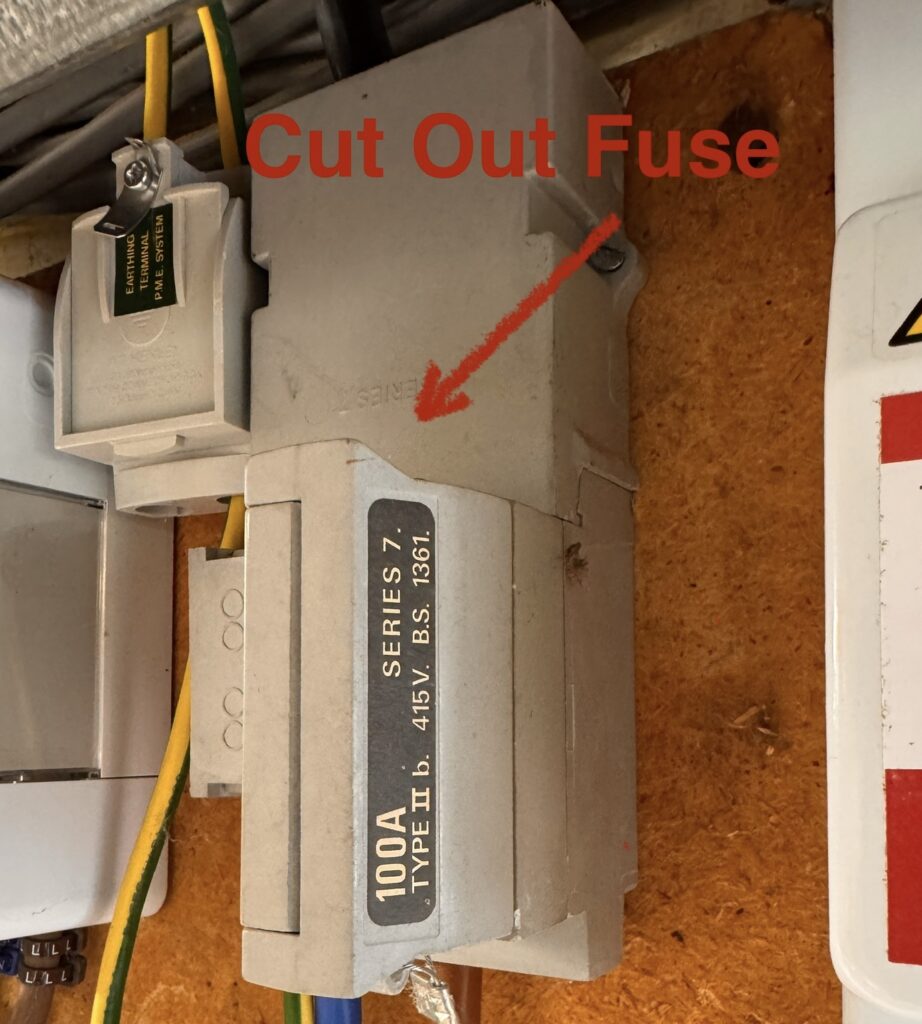
What is a cut out fuse? You might not have heard of it, but it plays an important role in your home’s electricity supply. It is usually located on the side of the property in a recessed electrical enclosure, under the stairs, or sometimes in a cellar if you have one. It is responsible for protecting your home’s electrical supply.
Cut-out fuses come in 60A, 80A, and 100A ratings, and larger properties may have a three-phase system, meaning there are three of these fuses. This determines the maximum electrical demand your house can draw before the cut-out fuse blows. Adding an EV charger can significantly raise the house’s electrical demand, as a 7kW single phase EV charger draws a constant 32A from the grid. With a 60A cut out fuse, you risk blowing it. Therefore, we need to notify the DNO (Distribution Network Operator), such as the National Grid or Western Power, to upgrade it to an 80A or 100A fuse. This upgrade is usually done free of charge.
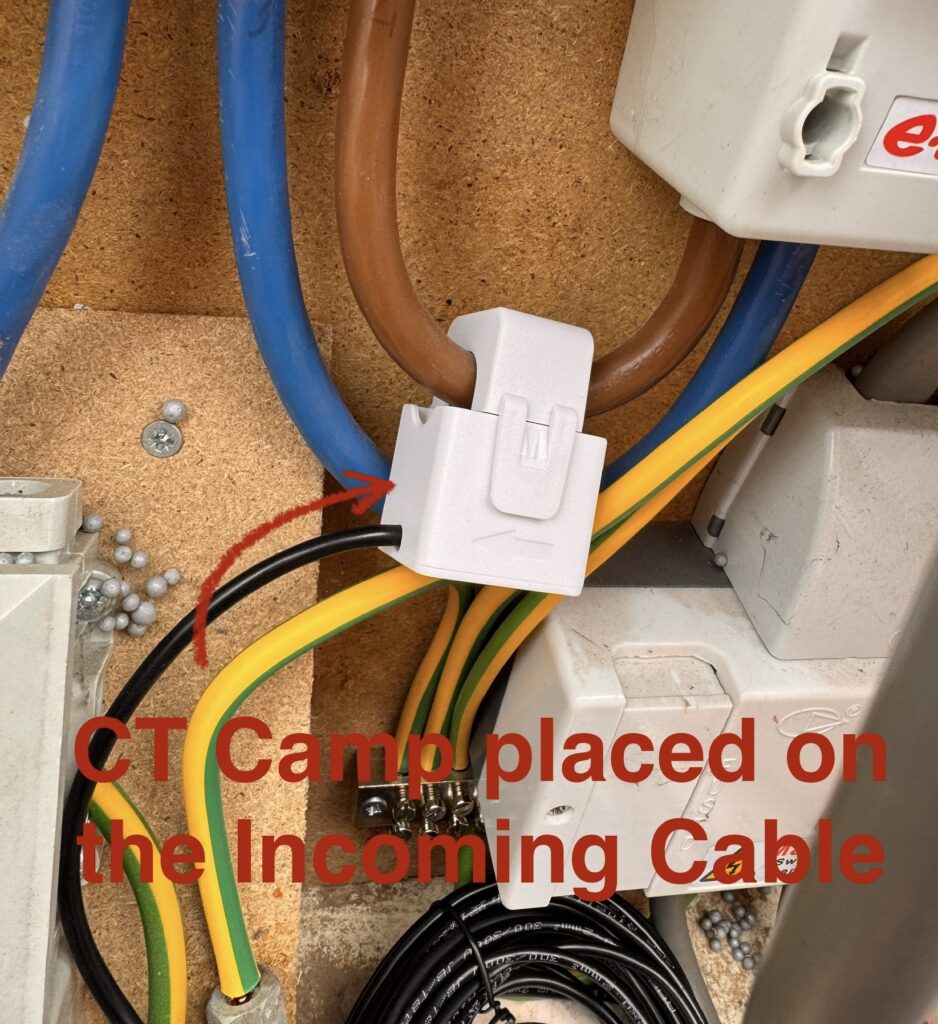
Alongside the cut-out fuse upgrade, we also need to install a device called a CT (Current Transformer) clamp with the charger. The CT clamp monitors the house’s electricity demand, and if it approaches the threshold of the cut out fuse, it will reduce the charger’s capacity to prevent it from blowing.
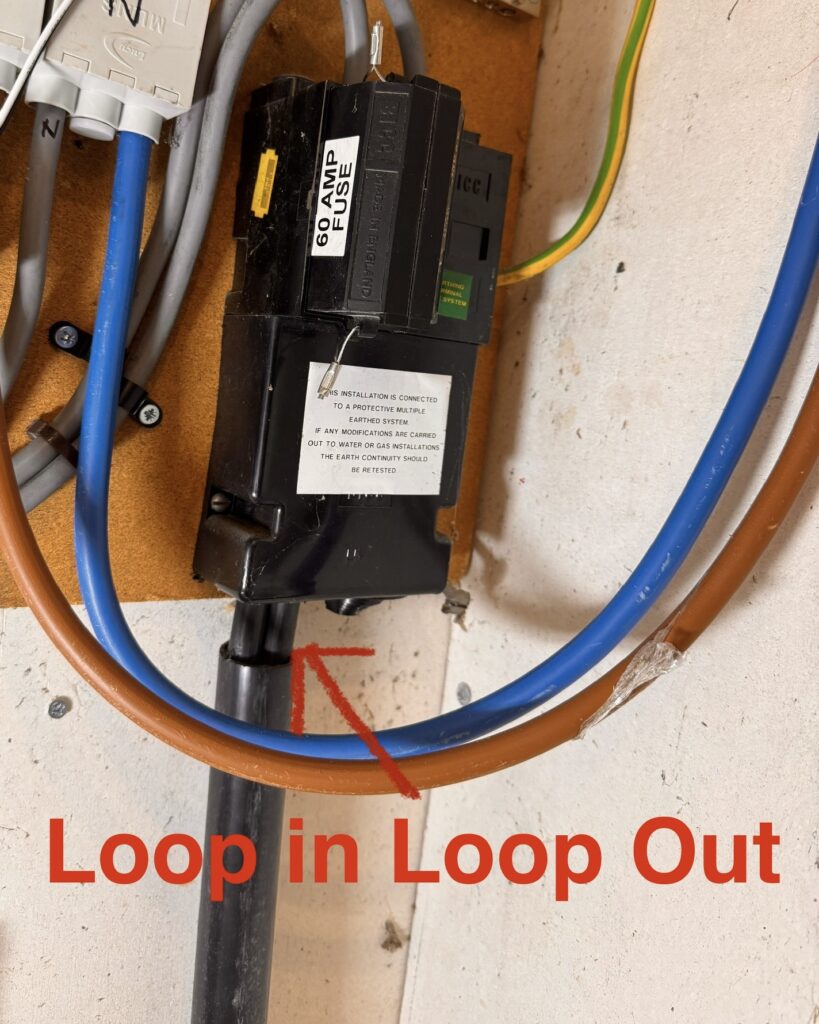
Another important consideration is whether the property is on a “looped supply.” A looped supply means you share the connection with neighbors. If this is the case, the DNO needs to be notified, and they will remove you from the loop, also usually free of charge.
But don’t worry; these administrative tasks are always handled by your electrician, so you don’t need to do anything.
2. Water Bonding
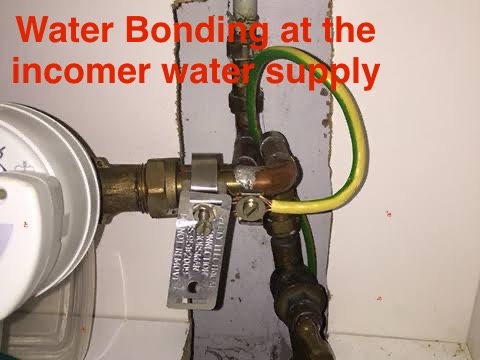
First of all, what is “bonding”? Bonding a pipe means earthing a copper pipe that comes from the ground. It’s very important for a copper incoming water pipe to be bonded with at least a 10mm earthing cable, as it can raise potential. Without bonding, two different metal objects (like a water tap and a washing machine casing) could operate at different voltages during a fault. Touching both at once could create a dangerous voltage difference through your body, causing an electric shock.
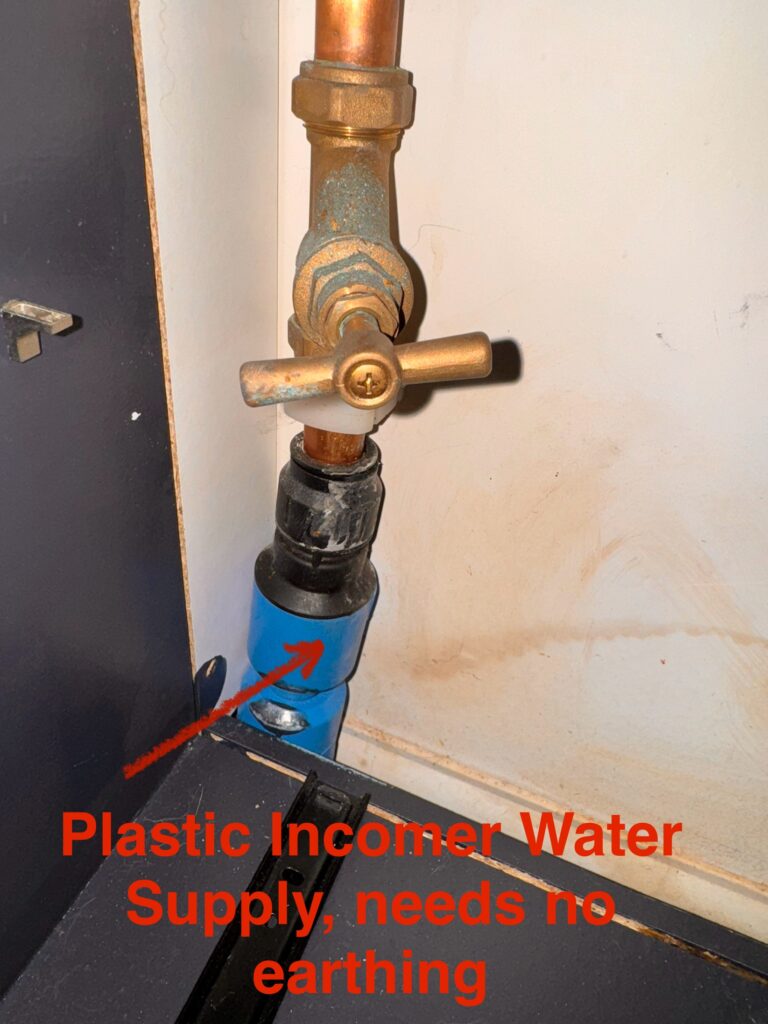
The bonding connection needs to be made within 600mm of where it enters the property. This requirement can be ignored if you have a plastic incoming water pipe, which most newer build properties have.
3. Gas Bonding
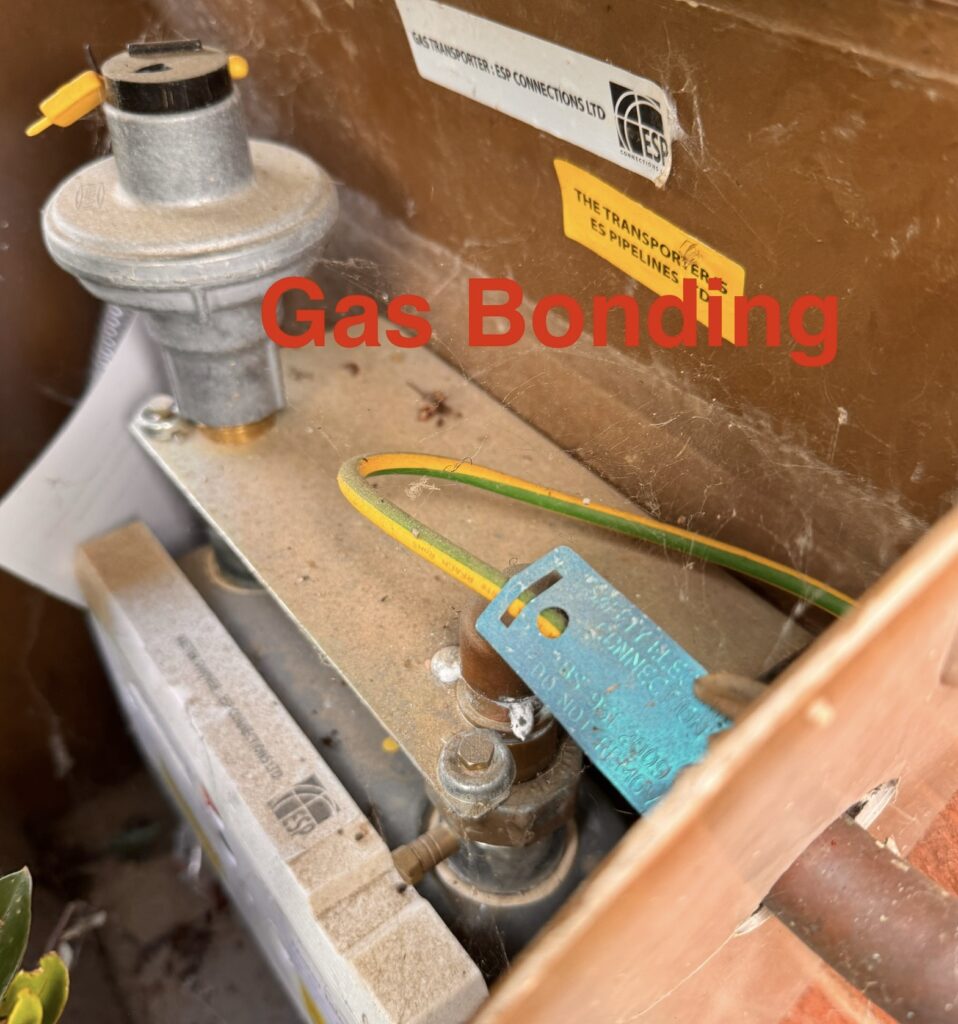
The same rule applies to gas bonding. If you don’t have gas but use oil, bonding must still be in place.
4. Consumer Unit (Fuse Box)
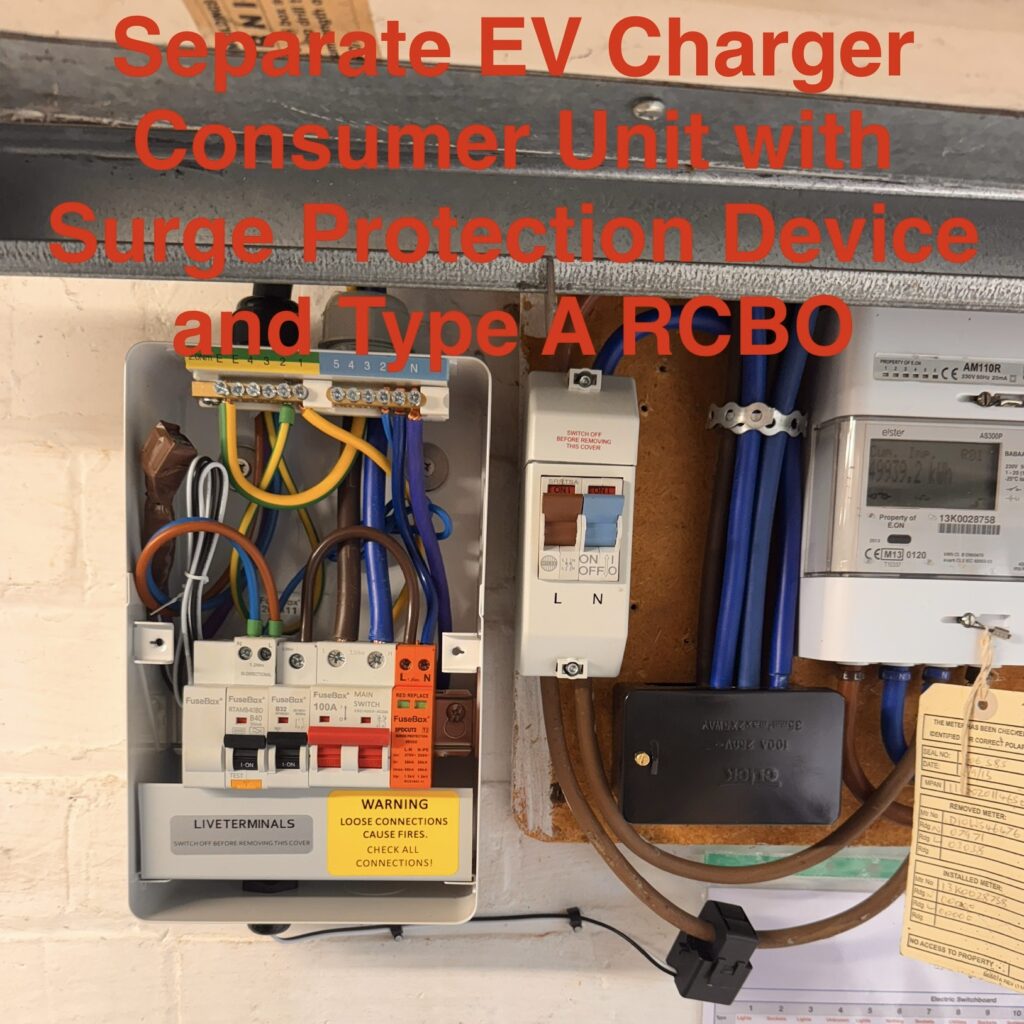
To install an electric vehicle charger, you need a spare space in your consumer unit, as they require a dedicated 6mm circuit, preferably on a 40A circuit breaker. However, it’s not just about having a spare circuit; you also need to ensure your consumer unit is up to date to handle an EV charger. If it’s a dual RCD consumer unit, you cannot simply install it on the same RCD that supplies other circuits in the house. If it’s an RCBO consumer unit and you have a spare way, you might be able to install it there, but there’s another consideration: the Surge Protection Device.
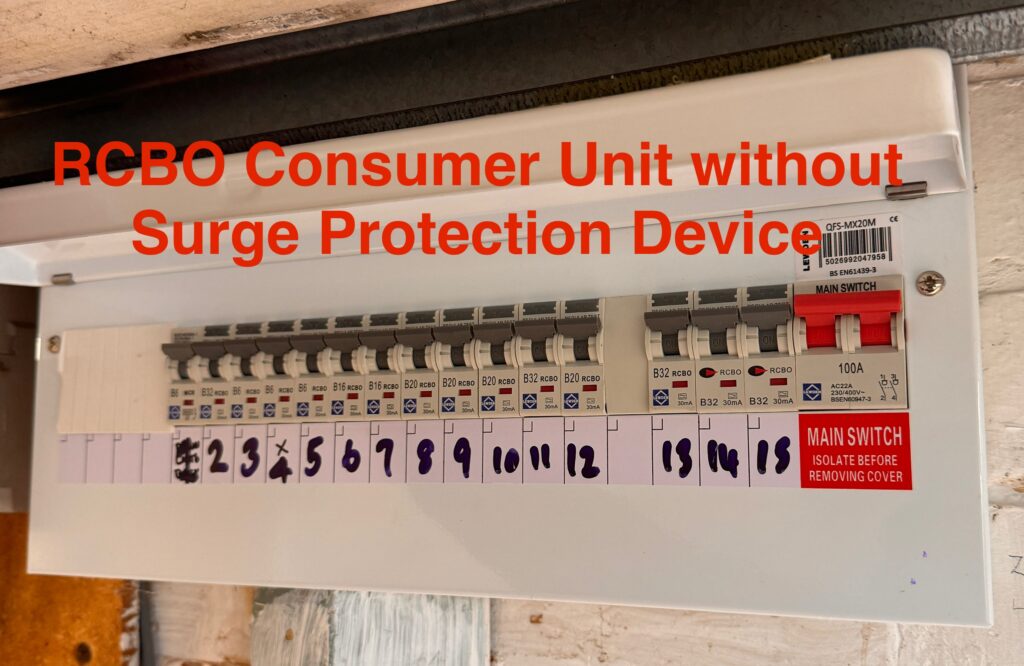
The Surge Protection Device is essential to protect your expensive vehicle from high surges and must be installed in every new installation as required by Regulation 433.4.1.
To avoid these complications, it’s often best to install a small separate EV consumer unit that includes a surge protection device and a Type A double pole RCBO. This practice not only complies with regulations but also future proofs the installation, especially if you opt for solar installation later, as it can help avoid draining the batteries while charging your electric vehicle.
5. WiFi Connectivity
This might not have crossed your mind, but WiFi connection is essential for these chargers. The Smart Charge Points Regulations require that all new domestic and workplace EV charge points sold and installed must be “smart,” meaning they can:
• Send and receive information
• Schedule or delay charging (for off-peak periods)
• Respond to external signals (like grid load requests)
• Receive remote software updates
• Be controlled via an app on your phone
In most cases, a WiFi connection is available at the installation location. Alternatively, a hardwired option is available, allowing the charger to be directly connected to the router, which provides a stronger internet connection.
6. Selecting the Right EV Charger
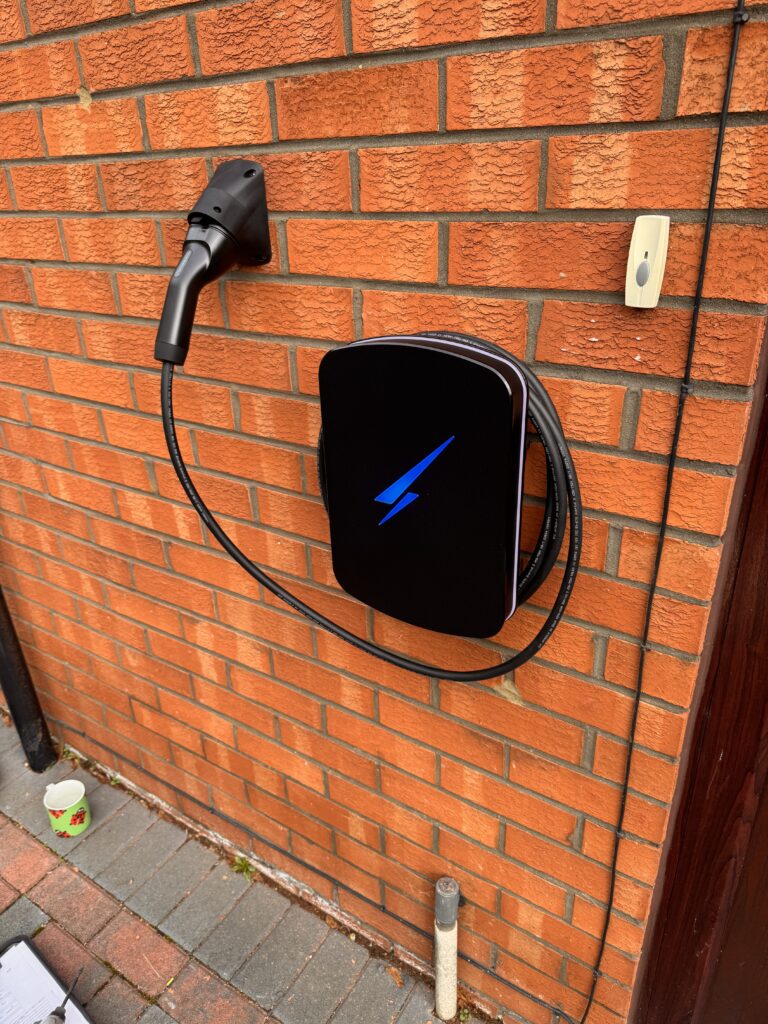
Now that you have considered all the above factors, you can select the EV charger that suits your needs. There are tethered and untethered chargers. Tethered chargers have a charging cable permanently attached, usually around 5 meters in length, although some chargers offer a longer lead for an extra cost. Untethered chargers have a socket where you need to plug in your own charging cable. My recommendation is to go with a tethered option for convenience.
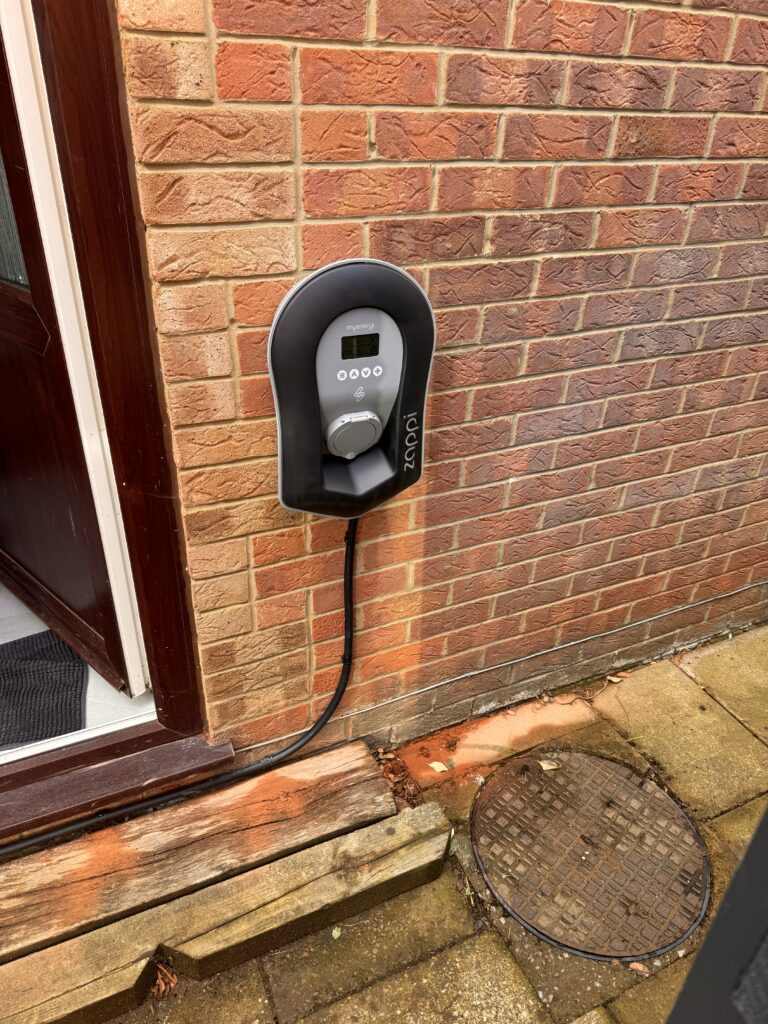
In terms of brand, I highly recommend the Hypervolt Home 3 Pro EV Charger or Zappi from Myenergy, both of them are on top of the line and ticks all the boxes.
Now i believe i have covered everything you need to know about the procedure and what needs attention before Installing an EV Charger.
If you have any enquiry, we are happy to quote it for you, you can fill the quotation form on this website and we are going to be in touch.
